The best VIN search tools help you run a VIN number and check a vehicle’s full history before you commit to buying. A thorough VIN lookup can reveal past accidents, title brands, mileage inconsistencies, ownership changes, recalls, lien records, and even prior auction activity, insights that most sellers won’t disclose upfront. By comparing details across multiple databases and matching them to the vehicle’s physical condition, you can confirm whether a car is genuinely worth buying or hiding costly risks.
Quick Tip: Use a free VIN check to screen theft, total loss, and open recalls, then confirm details with one paid vehicle history report before you negotiate.
What Is a VIN and How Can You Use It
A VIN is the vehicle’s unique identity code used across the U.S. This 17-digit sequence is the vehicle identification number assigned to every car at manufacture. It links the car to model year, sales history, recalls, and accident history. For prospective buyers, a VIN check reveals basic information and deeper vehicle history information from many databases. Insurers rely on it to safeguard cars accurately, and it’s important because one code connects much information.
- Decode details like engine type, like the make and model
- Confirm whether the car has open recalls or theft records
- Confirm salvage or flood brands and reported accidents
- See liens, odometer readings, and auction appearances
- Share the car’s VIN with a dealer or seller to validate records
Industry studies show that buyers who perform a VIN check reduce post-sale problems by ~20–30%.
Where to Find Your VIN on a Vehicle
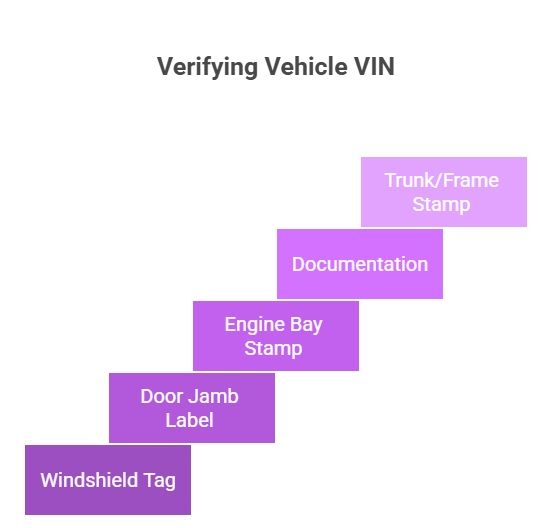
The VIN appears in several places on a vehicle. Check more than one spot and ensure the numbers match. Mismatched VINs can point to tampering or hidden damage. If you can’t access the car, you can look it up manually through a website or a data provider. Always compare the serial number on plates to documentation.
- Windshield lower-left dashboard tag.
- Driver’s door jamb label showing the number and production month.
- Engine bay stamp or firewall plate with the serial number.
- Title, registration, and insurance cards.
- Occasional trunk or frame stampings.
Roughly 1 in 10 used listings has a data mismatch that might not appear in a single database.
Free VIN Checks vs Paid Reports: What to Choose?
Both free and paid tools matter. Free tools deliver basic information quickly and screen obvious issues. Paid options add comprehensive sources, photos, and proprietary data. If the vehicle’s background looks complex, start free, then upgrade. For peace of mind, layer multiple sources and verify what you see on the car.
| Option | What you get | When to use |
| Free VIN check | Specs, title snapshots, recalls | First pass and quick filters |
| Paid VIN check | Full report with detailed information, liens, and prior use | Before negotiating or paying |
| Both | Wider view across databases | When the vehicle’s history is unclear |
Best Free VIN Check Tools for Basic Screening
Use these free services to triage quickly. If you want to check whether the car has obvious flags, start here before paying for a VIN check. These tools won’t give you a full vehicle history, but they’re excellent for spotting major issues like salvage titles, theft records, or open recalls. They’re especially useful for early-stage browsing.
NICB VINCheck
NICB VINCheck is a straightforward VIN check service focused on theft and salvage indicators. It aggregates data from insurance companies and law enforcement. It’s ideal as an early filter when buying a used car because it surfaces high-impact events. Results are limited, so pair with other tools.
- Finds theft reports and salvage/total-loss markers
- Pulls from insurance companies and police sources
- Limits apply to free reports per day
- Quick check using only the number, no personal info
EpicVIN’s Free VIN Decoder
EpicVIN offers a free VIN check that confirms specs and model year. It’s widely considered one of the most reliable services and a user-friendly platform for screening. Use its VIN lookup to confirm seller claims, trim data, and assembly location before paying. This free decoder is fast, mobile-ready, and helps uncover inconsistencies early.
- Shows specs, trim, engine, and manufacturing plant.
- Easy to share with a dealer or seller.
- Helps verify descriptions match a used vehicle.
- Great free first pass to reveal concealed mismatches.
NHTSA Recall Lookup
The NHTSA website provides a free recall check linked to a VIN. It focuses on safety rather than full history. Always perform it, because recalls affect safety and repair scheduling. If an issue exists, the dealer performs the repair at no cost, and reports include remedy steps.
- Confirms open recalls and affected parts.
- Explains remedies and steps to schedule service.
- Lists build range and model year coverage.
- Useful even after purchase.
Paid VIN Report Services: Full History at a Price
When you need comprehensive detail, paid options deliver. You’ll pay for broader sources, images, and proprietary insights that free tools can’t match. These reports often pull from state DMVs, insurance carriers, salvage yards, auction houses, and manufacturer databases, offering a far more complete view of a vehicle’s past.
EpicVIN’s Full Vehicle History Report
EpicVIN compiles the most comprehensive vehicle history results, often including prior listing photos and auction details. It blends DMV data, dealership info, and proprietary sources for detailed information. This paid service helps uncover hidden issues that a free VIN check can miss. Coverage is strong for imports and older vehicles.
- Reports include odometer readings, liens, and sales history.
- Photos from prior ads, when available.
- Title changes, prior use, and accident history summaries.
- Sections for rebuilt cars, theft, flood, and prior rental/fleet use.
Carfax
Carfax is among the best-known paid VIN check brands. It emphasizes service visits and reported accidents across selling networks. Coverage varies by region and vehicle, but it’s a strong second data point. Consider it when cross-checking a car’s claims and vehicle history.
- Service and maintenance entries to confirm mileage.
- Many shop integrations.
- History highlights and ownership timelines.
- Buyback notes on certain vehicles.
AutoCheck
AutoCheck is another good choice for comparing many VINs at once. It assigns a score that benchmarks a vehicle against similar VINs. It’s particularly useful for wholesale and lane sale visibility. Bundle pricing helps if you’re browsing multiple cars and paying for a VIN check more than once.
- AutoCheck Score to compare vehicles.
- Strong wholesale and title brand coverage.
- Emphasis on salvage and title events.
- Multi-report bundles when buying a used car.
In some markets, paid reports correlate with 15–25% fewer unexpected post-sale costs, according to dealer surveys.
How to Run a VIN Number: A Step-by-Step Walkthrough
Running a VIN check is simple and prevents costly mistakes. Start with free options, then upgrade to a paid VIN check before you commit. Gather the number from the car and documents, and cross-compare. Always ensure plates, stickers, and papers match, and verify identities manually if something feels off.
- Find the VIN on the car and paperwork.
- Enter it into a free VIN check to confirm basic information.
- Use NHTSA to check recalls and schedule any needed repair.
- Choose a paid VIN check for a full report before payment.
- Compare details like trim, mileage, titles, and dates across sources.
Red Flags to Watch For in a VIN Report
Small clues add up fast. Look for contradictions, fresh paint, or missing labels. If the car details conflict, pause and dig deeper with documentation and photos.
Branded Titles

Title brands warn about serious past events. A salvage brand means major damage and reduced value. Theft recovery indicates the car disappeared and returned. Flood or lemon tags demand caution. Always match paperwork to the VIN on the car and verify dates, then talk with the owner about receipts.
- Salvage, rebuilt, flood, lemon, or buyback markers.
- Theft recovered or parts-only notes.
- Odometer “not actual mileage” annotations.
- State-to-state title washing patterns.
Odometer Rollback & Mileage Inconsistencies
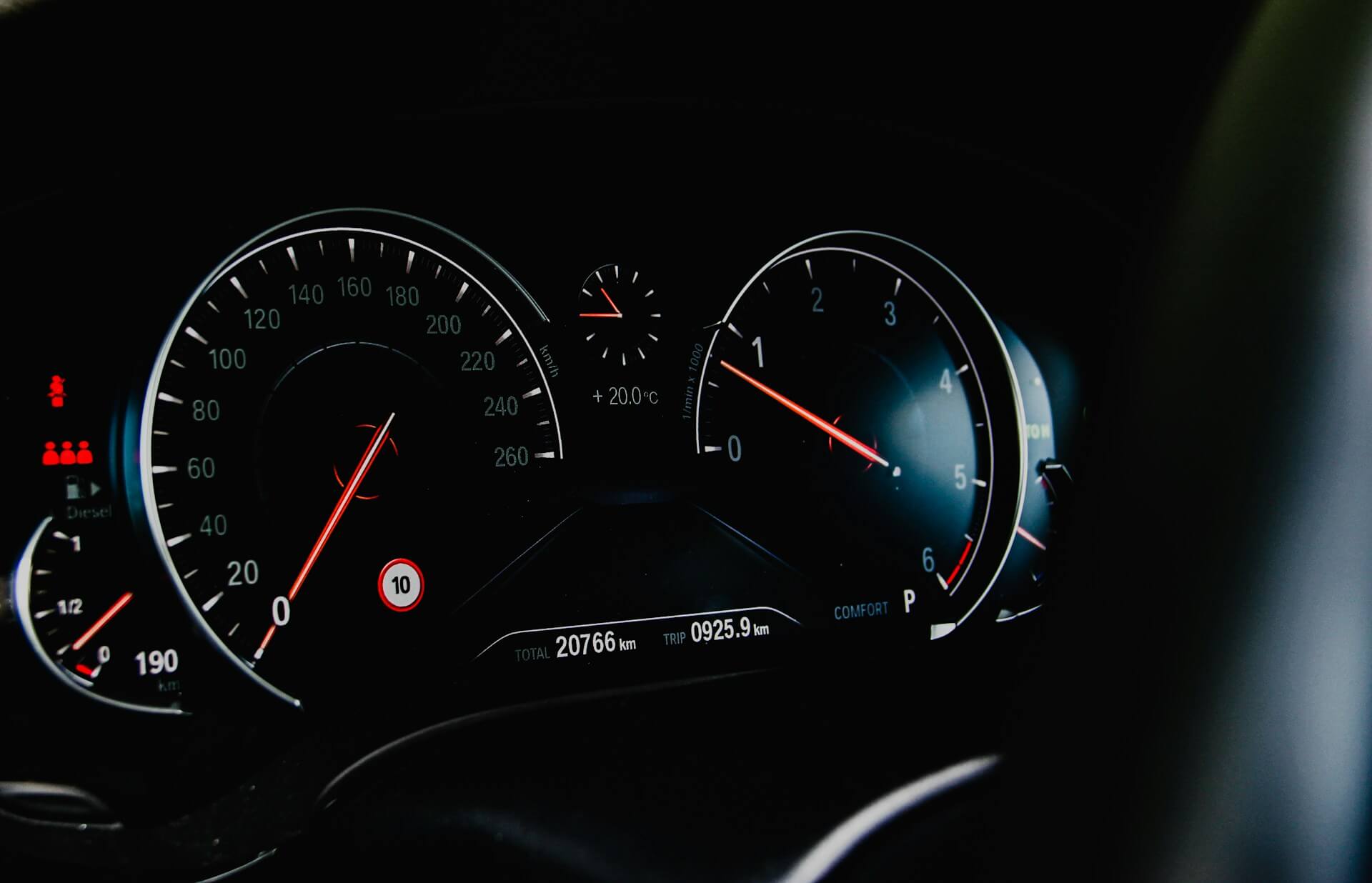
Compare readings across the car’s history. Service visits, inspections, and emissions entries should climb steadily. If numbers drop or stall for long gaps, be cautious and get records. Consider a pre-purchase inspection and paint/frame measurements when things don’t add up, and consult a retailer if service stamps look suspicious.
Gaps in Ownership or Frequent Resales
Rapid flips can hide problems. A car changing hands repeatedly or moving across states may raise questions. Short ownership stints can mask unresolved issues. Pair records with photos when possible and confirm the car’s background through multiple sources.
| Pattern | What does it mean | Next step |
| Multiple auction sales | The store couldn’t retail it | Get an independent inspection |
| Title jumps in months | Possible flip after work | Ask the seller for invoices/photos |
| State hops | Title washing risk | Compare state records |
| Recent salvage, then retail | Quick cosmetic fix | Inspect for structural damage |
VIN Reporting Regulations
VIN data comes from many sources, each with limits. States, agencies, shops, and insurance companies report at different speeds. Private owner maintenance can be cash and never logged. That’s why layering free and paid sources is wise, especially when paying for a VIN check to validate identities and events.
- Not all collisions or small fixes enter databases.
- Reporting delays mean issues might not appear immediately.
- Private sales can skip service reporting entirely.
- Always cross-check documents and ask the seller questions.
Summary
Here are the key takeaways: pair free screens with a paid VIN check for depth. Read titles carefully, compare mileage entries, and confirm recalls. A layered approach offers peace of mind and helps you spot hidden risks early. In short, a VIN check is a smart step that supports better decisions before making a purchase.
FAQ
Can a Stolen Car VIN Be Altered?
Changing plates is illegal, and modern systems make it hard to steal an identity. Compare multiple VIN locations and documents. Mismatches are a red flag for tampering.
Will a VIN Search Show If a Car Was Part of a Buyback Program?
Often, yes. Many historical sources show manufacturer buyback notes. Look for title brands and warranties that reference repurchase in the used car’s history.
Do Dealerships Run VIN Checks Before Reselling a Car?
Most retailers perform at least one check. However, you should still conduct yours. Standards differ, and the report ensures whether the car aligns with claims.
Should I Still Get a Mechanic’s Inspection If the Report Is Clean?
Yes, databases miss things. Consider:
- Independent inspection.
- Paint/frame measurements if damage is suspected.
How Many VIN Checks Should I Run Before Buying a Car?
Use at least one free VIN check and one paid VIN check. If results conflict, add another source, review photos, and inspect in person. When you compare multiple VINs, you reduce risk and improve outcomes.